BIM BENEFITS
What are the benefits of BIM?
What are the benefits of BIM?
Building Information Modeling (BIM) connects teams, workflows, and data across the entire project lifecycle to realize better ways of working and better outcomes.
What is BIM used for?
What is BIM used for?
BIM is used for creating and managing data during the design, construction, and operations process. BIM integrates multi-disciplinary data to create detailed digital representations that are managed in an open cloud platform for real-time collaboration. Using BIM gives you greater visibility, better decision-making, more sustainable options, and cost-savings on architecture, engineering, and construction (AEC) projects.
BIM is used for creating and managing data during the design, construction, and operations process. BIM integrates multi-disciplinary data to create detailed digital representations that are managed in an open cloud platform for real-time collaboration. Using BIM gives you greater visibility, better decision-making, more sustainable options, and cost-savings on architecture, engineering, and construction (AEC) projects.
What is the process of BIM?
The process of BIM supports the creation of intelligent data that can be used throughout the lifecycle of a building or infrastructure project.
The process of BIM supports the creation of intelligent data that can be used throughout the lifecycle of a building or infrastructure project.
Plan
Plan
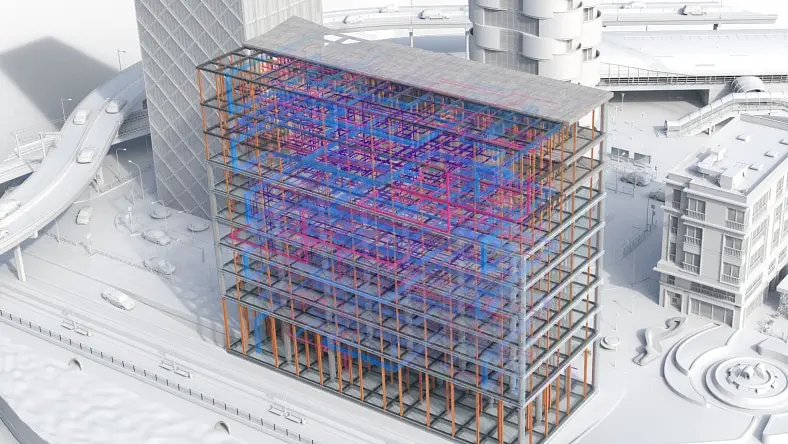
Inform project planning by combining reality capture and real-world data to generate context models of the existing built and natural environment.
Inform project planning by combining reality capture and real-world data to generate context models of the existing built and natural environment.
Design
Design
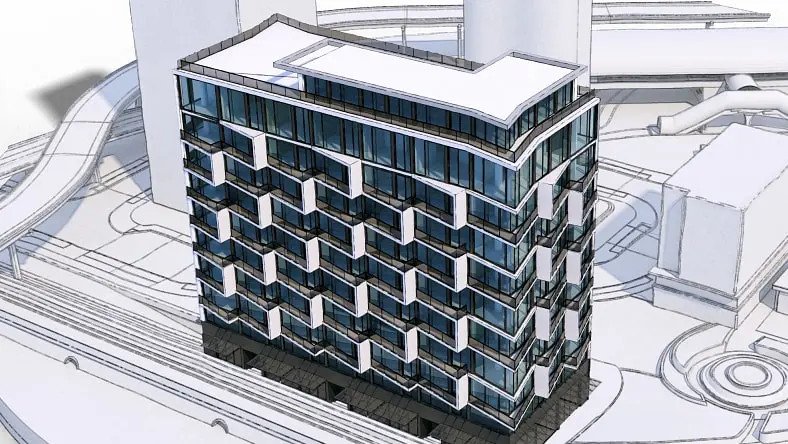
Conceptual design, analysis, detailing, and documentation are performed. The preconstruction process begins using BIM data to inform scheduling and logistics.
Conceptual design, analysis, detailing, and documentation are performed. The preconstruction process begins using BIM data to inform scheduling and logistics.
Build
Build
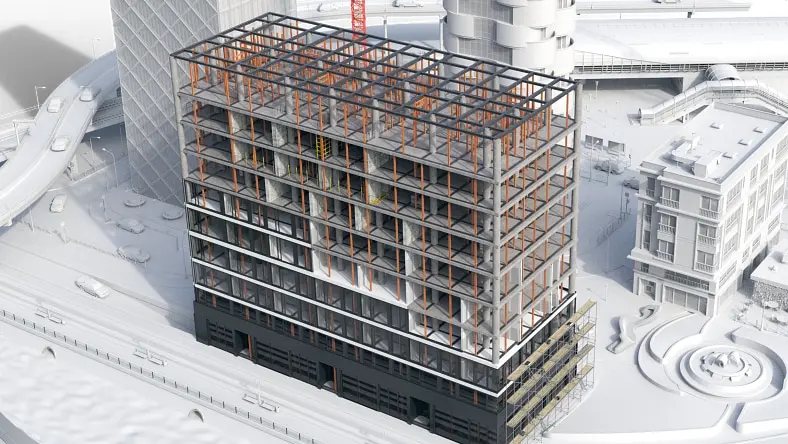
Fabrication begins using BIM specifications. Project construction logistics are shared with trades and contractors to ensure optimum timing and efficiency.
Fabrication begins using BIM specifications. Project construction logistics are shared with trades and contractors to ensure optimum timing and efficiency.

Operate
Operate
BIM data carries over to operations and maintenance of finished assets. BIM data can be used down the road for cost-effective renovation or efficient deconstruction.
BIM data carries over to operations and maintenance of finished assets. BIM data can be used down the road for cost-effective renovation or efficient deconstruction.
Frequently asked questions (FAQs)
Why is BIM important?
According to the UN, by 2050 the world's population will be 9.7 billion. The global AEC industry must look to smarter, more efficient ways to design and build not just as a means to keep up with global demand, but to help create spaces that are smarter and more resilient too.
BIM not only allows design and construction teams to work more efficiently, but it allows them to capture the data they create during the process to benefit operations and maintenance activities. This is why BIM mandates are increasing across the globe.
How do teams collaborate on BIM?
BIM is revolutionizing the way projects are delivered across industries, adding intelligence and efficiency to project execution–and connecting teams, data, and workflows at every stage of the project in the cloud for better project outcomes. Learn more.
What is BIM interoperability?
BIM interoperability is the ability of AEC project teams to work and communicate fluidly across disciplines and industries, regardless of preferred software tools and vendors. At Autodesk, we’re committed to supporting an open and interoperable AEC software ecosystem defined by seamless data connection. Learn more.
How can you successfully implement BIM at your firm?
Moving to BIM can seem like a daunting task. In this video, we take a look at two strategies that will help your firm create an effective BIM vision and manage change during your transition to BIM.
What are successful use cases for BIM adoption?
Building Information Modeling (BIM) can bring numerous benefits to the construction industry, including improved collaboration, reduced rework, and increased efficiency. Some successful use cases for BIM adoption are:
Design and construction coordination: BIM allows teams to collaborate and coordinate their work in real-time, reducing conflicts and errors during the construction process.
Clash detection: BIM can identify clashes between different building systems and components before construction begins, saving time and money.
Facility management: BIM can be used to manage and maintain buildings and infrastructure throughout their lifecycle, providing valuable data and insights for facility managers.
Prefabrication and modular construction: BIM can be used to create detailed digital models of prefabricated and modular building components, improving efficiency and reducing waste.
Sustainability: BIM can be used to analyze and optimize building performance, reducing energy consumption and environmental impact.
What new technology is used in BIM and what are the benefits?
BIM (Building Information Modeling) technology is a process that involves creating and managing digital models of buildings, infrastructure, and other structures. Some of the new technologies used in BIM include 3D laser scanning, drones, augmented reality, and artificial intelligence. Some benefits of using BIM technology include:
Improved collaboration: BIM technology allows various stakeholders to collaborate and share information in real-time, leading to better coordination and fewer errors.
Increased efficiency: BIM technology streamlines the design and construction process, reducing waste and increasing productivity.
Enhanced visualization: BIM models provide a 3D visualization of the project, allowing stakeholders to better understand the design and make informed decisions.
Better cost management: BIM technology allows for accurate cost estimation and tracking, helping to keep the project on budget.
Improved sustainability: BIM technology can be used to evaluate the environmental impact of a project and identify ways to reduce energy consumption and waste.
BIM tools for AEC professionals

Have questions about the AEC Collection?
Have questions about the AEC Collection?
Explore how the AEC Collection’s powerful set of BIM and CAD software provides every designer, engineer, and contractor the tools they need.
Explore how the AEC Collection’s powerful set of BIM and CAD software provides every designer, engineer, and contractor the tools they need.
Explore the benefits of BIM across industries
BIM for architecture
BIM for architecture
Gain deeper insights and make better design decisions earlier in the process.
Gain deeper insights and make better design decisions earlier in the process.
BIM for civil engineering
BIM for civil engineering
Move toward digital transformation and build resilient infrastructure.
Move toward digital transformation and build resilient infrastructure.
BIM for structural engineering
BIM for structural engineering
Deliver optimized, coordinated designs and documentation faster.
Deliver optimized, coordinated designs and documentation faster.
BIM for MEP engineering
BIM for MEP engineering
Adopt BIM to produce optimized, coordinated designs faster.
Adopt BIM to produce optimized, coordinated designs faster.
BIM for plant
BIM for plant
Bring your plant projects online with integrated tools.
Bring your plant projects online with integrated tools.
BIM for construction
BIM for construction
Elevate digital construction processes from design to build.
Elevate digital construction processes from design to build.
Talk to us about BIM
Have questions about BIM implementation? We can help.
Have questions about BIM implementation? We can help.
Talk to us about BIM
Have questions about BIM implementation? We can help.
Have questions about BIM implementation? We can help.