AUTODESK

Let there be anything

From homes to skyscrapers, Autodesk scales to fit your needs at every step of your design and make journey.

One industry cloud for AECO. Autodesk Forma.

Unite owners, designers, and builders in one AI-native industry cloud. Boosting creativity, strengthening collaboration, and driving smarter project outcomes across the project lifecycle.

Autodesk for small business

Design & Make software that works as hard as your business.

Design & make real world outcomes with Autodesk

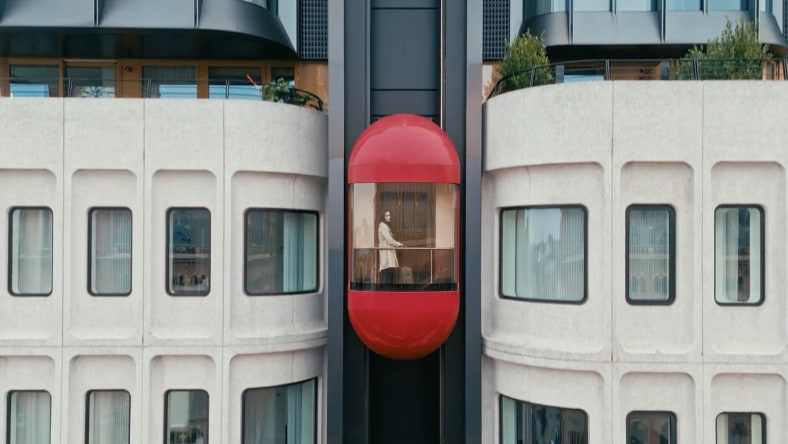
An adaptive reuse project by Orms Designers and Architects London showing an elevator moving up The Standard London.

Architecture & Engineering

Orms

A second life for a brutalist icon.  Watch how Orms saved 5,000 tons of embodied carbon to reimagine the Standard, London. 


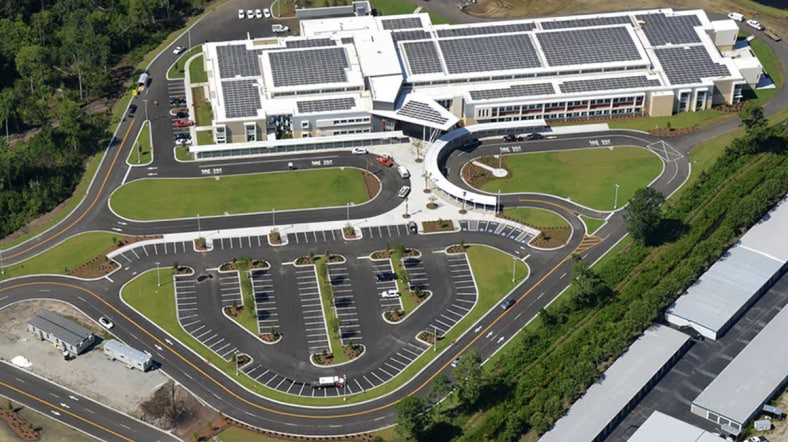
Aerial shot of Horry County Schools in South Carolina.

CIVIL ENGINEERING

Thomas & Hutton

Laying the groundwork for energy efficiency with site planning, civil design and landscape architecture services for Horry County Schools.


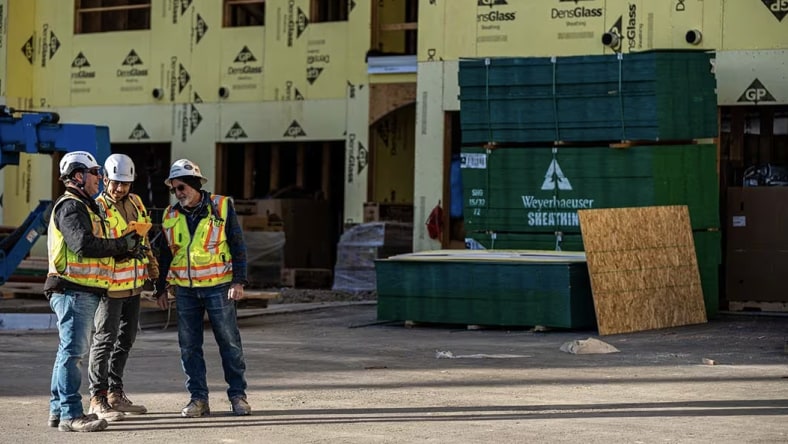
Three construction workers in hard hats review plans at an active building site with stacked materials behind them.

CONSTRUCTION

Brinkman

Brinkman cuts closeout labor by 50% with Forma Build's integrated construction management workflows.

A sidewalk view facing the Horace Wilkinson Bridge.

WATER INFRASTRUCTURE

Bonton Associates

Bonton Associates leverages data and technology to engineer thoughtful, sustainable water solutions to help their Louisiana community thrive. 


Find the right solution for your business, big or small

Powerful BIM and CAD tools for designers, engineers, and contractors, including Revit, AutoCAD, Civil 3D, Forma Site Design, and more


2D and 3D CAD tools, with enhanced insights, AI-automations, and collaboration features. Subscription includes AutoCAD on desktop, web, mobile, and seven specialized toolsets.


Plan, design, construct, and manage buildings with powerful tools for Building Information Modeling.


Collaborative, cloud-based AI software that empowers AEC teams to design high-quality proposals


Civil engineering design and construction documentation


Comprehensive field and project management software that delivers a broad, deep, and connected set of tools for builders.


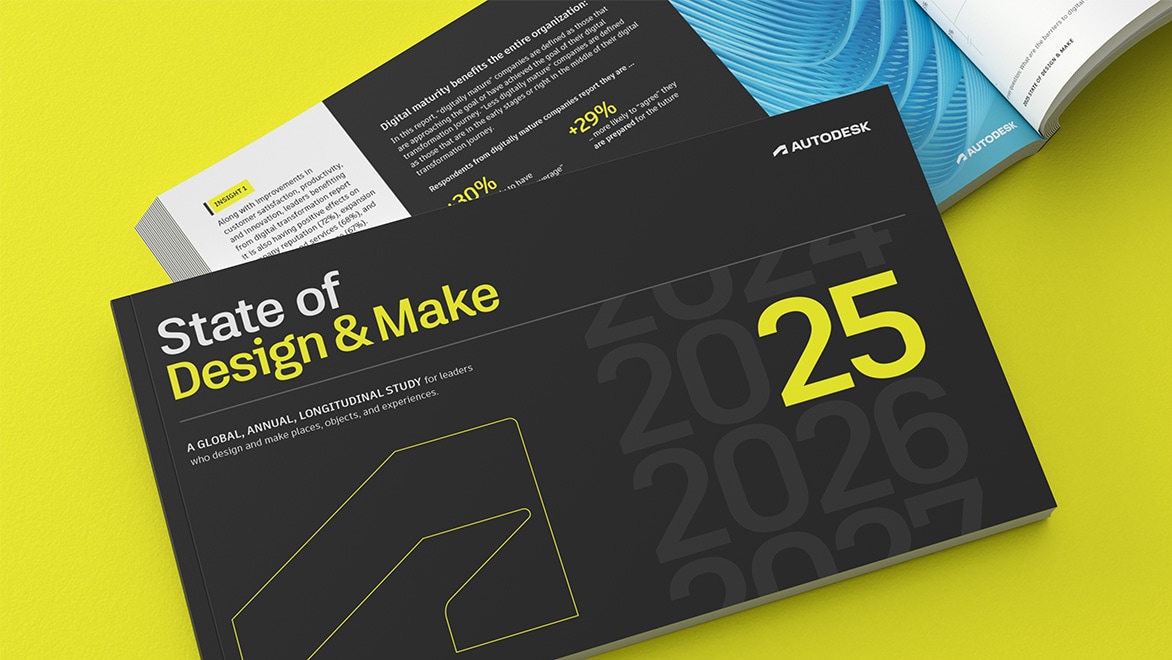
A view of Autodesk's 2025 State of Design & Make report front cover book on top of a second open book showing the report details.

See how the industry is preparing for the future

While leaders around the world report daunting headwinds—from increased geopolitical uncertainty and inflation to talent gaps and challenges implementing emerging technologies like artificial intelligence (AI)—digital transformation is proving to help identify opportunity amid disruption, providing benefits nearly across the board. Learn more in our free report.

What's your vision?

Contact us to talk about your digital transformation and how our AEC solutions can help you take your business further.

Frequently asked questions (FAQs)

What is digital transformation (DX) in the AEC industry?

Digital transformation isn’t a single piece of technology or a change that happens overnight. The architecture, engineering, and construction industry has been undergoing a sea change for years. Key elements of digital transformation include:


  • Moving to digital processes to enhance skillsets and improve productivity 
  • Embracing cloud-enabled collaboration and data management for real-time access to data and better insights 
  • Automation and scaling of processes. Adopting a digital-first mindset to transform business practices 
  • Unlocking data and design circularity with a digital twin to reuse and refine digital and physical assets

What are the key technologies driving digital transformation in AEC?

AEC firms with a digital-first mindset use BIM-based software together with technologies such as Internet of Things (IoT), extended reality (XR), predictive analytics, and simulation to realize benefits that include reduced risk, business resilience, and improved sustainability. 


The convergence of BIM and multidisciplinary technologies is at the heart of successful AEC projects worldwide. And already the industry is moving into the next phase of digital transformation, one powered by artificial intelligence (AI) and machine learning. In this phase, AEC firms will use data and insights to connect processes, automate workflows, and provide a better understanding of the built environment.

How can Building Information Modeling (BIM) be integrated into digital transformation?

BIM is the foundation of digital transformation in the AEC industry. The BIM process connects teams, workflows, and data across the entire project lifecycle—from design and engineering to construction and operations—to realize better ways of working and better outcomes.

What are the benefits of adopting cloud-based collaboration tools in AEC projects?

Better project delivery in AEC firms starts with connected teams, data, and processes, and is united by shared standards in a common data environment. From planning to design collaboration, design management, construction management, and operations, every stakeholder can access projects and collaborate in real time. This dramatically increases productivity and reduces expensive rework, errors, and data loss. Learn more about digital project delivery.

What software does Autodesk offer that helps with digital transformation?

Autodesk’s Architecture, Engineering & Construction Collection is a powerful set of BIM and CAD software that provides designers, engineers, and contractors with the tools they need, supported by a cloud-based common data environment that facilitates project delivery from early-stage design through to construction. 

With integrated analysis, generative design, visualization and simulation tools, plus workflows for document management, conceptual design, modeling, coordination, and documentation, the AEC Collection can help you accelerate your company’s digital transformation.

In addition, Autodesk BIM Collaborate Pro, a cloud-based design collaboration and design management software, gives teams the power of centralized data, flexible workflows, automated analysis, and full project visibility.

How can small and medium-sized AEC firms approach digital transformation on a limited budget?

Small and medium-sized companies are not alone in struggling with how to best approach the digital transformation journey. In Autodesk’s 2023 State of Design & Make report, only 36% of AEC firms rated themselves “digitally mature.” Fully 46% saw themselves as in the early or middle stages of transformation. The takeaway for firms of any size is to build on the lessons of the pandemic and subsequent economic upheavals. Firms with limited resources can start by handing over basic processes to digital tools and committing to remote work in order to compete for digitally skilled talent in more regions.

How does digital transformation affect sustainability and green building practices in the AEC industry?

Digital processes, shared data environments, improved insights from data, and other elements of digital transformation can help organizations make better decisions and achieve more sustainable outcomes.

The complexity involved in green building practices is beyond manual processes—digital solutions are essential within a systems-thinking approach to how resources are consumed and retained in a closed-loop economy. But by exploring and adopting net-zero strategies and circular principles, for example, the AEC sector can convert inevitable change into a business opportunity, not a cost.

For an in-depth examination of drivers, gaps, and opportunities for AEC to achieve more sustainable outcomes—with the goal of a more resilient, sustainable, and equitable built environment in the future—read this report.

What are the latest trends and future prospects for digital transformation in AEC?

As digitization accelerates—particularly with AI tools like ChatGPT making lighter work of previously complex, time-consuming processes—companies that have lagged in their digital transformation will catch up. This will put more pressure on digitally mature organizations to increase innovation and the competition to attract and retain skilled talent. These coming shifts require firms to prepare for tomorrow by putting an innovation-first culture in place today. Read more about future-proofing your AEC firm here.

What does AEC stand for in the context of Autodesk?

AEC stands for Architecture, Engineering, and Construction. Autodesk provides software and digital workflows that help professionals across these industries plan, design, build, and manage projects with greater connection and clarity.

What is Autodesk Forma?

AECO projects often suffer from fragmented workflows, reactive decisions, and missed sustainability targets. Autodesk Forma changes that by connecting every phase—planning, design, construction, and operations—within one unified industry cloud. With a common data environment, real-time collaboration, and AI-native predictive insights, teams reduce risk, eliminate manual hand-offs, and make smarter decisions faster. Unlike point solutions reliant on static files, Forma delivers dynamic, connected data that powers automation, transparency, and outcome-based design—unlocking efficiency and sustainability at scale.

How does Autodesk support sustainability in AEC?

Autodesk helps AEC teams advance sustainability goals with cloud-connected workflows, data-informed insights, and tools that support better decisions earlier in the project lifecycle. This helps teams evaluate tradeoffs, improve performance, reduce waste, and deliver better outcomes.

How is AI transforming the AEC industry?

AI is helping AEC teams work more efficiently by surfacing insights, reducing repetitive tasks, and supporting faster decision making across project phases. It can improve productivity and innovation while keeping human expertise, high value tasks, and creative problem solving at the center.

What Autodesk software do small architecture or engineering firms typically use?

Small AEC firms often start with AutoCAD or AutoCAD LT for 2D drafting and documentation. Firms taking on more complex projects often add Revit to better coordinate work, improve building performance, and collaborate more easily across teams. Explore Autodesk products for small businesses.

What is the difference between AutoCAD and Revit for a small practice?

For a small practice, AutoCAD is used for 2D and 3D drafting and documentation, while Revit is better when you need coordinated 3D models, documentation, visualization, and analysis.

How quickly can a small architecture firm get started with AutoCAD or Revit?

A small firm can usually get started with AutoCAD quickly, especially if the team already knows CAD workflows. Revit may take more setup and training, but many firms can begin using it on real projects in a relatively short time with the right onboarding plan.

See more FAQ